
By/ Adel AlAdlani *
Across Michigan, neighborhood business districts are the beating heart of our local economies. From dynamic commercial avenues in Metro Detroit to historic downtowns across the state, family-owned cafés, specialty grocers, auto shops, and local service providers do far more than fill storefronts. They create steady jobs, keep dollars circulating in our communities, and help working families build lasting wealth. As Michigan prepares for a new chapter of state leadership, we have a timely opportunity to elevate how we support these entrepreneurs. Over the past two decades, the Michigan Economic Development Corporation (MEDC) and the Michigan Main Street program have proven what happens when communities invest strategically in their downtowns. According to MEDC’s Michigan Main Street impact reports, designated communities have generated nearly $483 million in private investment, launched more than 2,100 new businesses, and completed over 3,000 building improvements since 2003.
At the same time, when we look across the entire state, a major opportunity for growth stands out. Michigan is home to more than 270 cities and 250 villages, along with hundreds of urban commercial corridors and Downtown Development Authorities (DDAs). According to MEDC program data, however, only 41 communities currently participate in the official Michigan Main Street network across its four engagement tiers, and just 24 receive intensive Select or Master level coaching. Intensive Main Street designation requires dedicated full-time managers and hands on state support, which naturally limits how many cities can join each year. At the same time, most family owned and immigrant led businesses do not have grant writers or analysts on staff. When local leaders lack clear facts about their commercial corridors, economic development often relies on guesswork instead of strategy.
Through my executive experience in municipal management and downtown economic development in Southeast Michigan, I have seen firsthand how closing this information gap changes everything. In Dearborn, a commercial hub of over 4,000 businesses, supporting a single major commercial district of more than 300 local business owners required moving well beyond casual check ins. Working alongside city staff and local development partners, we built an online business database from the ground up to track key socioeconomic indicators and broader economic trends across the business community, including business sector diversity, local employment levels, business longevity and survival rates, commercial occupancy, property ownership structure, and access to capital. That structured intelligence transformed how the city served its entrepreneurs. Instead of guessing what businesses needed, local leaders could spot growth trends early, clear up permitting delays, and target marketing to specific blocks. It also helped align physical upgrades with the exact areas where businesses were expanding, such as upgrading more than 200 streetlight poles with modern LED lighting and custom marketing banners to give the district a brighter, safer, and more welcoming identity. When City Hall used real data to solve everyday problems quickly, trust with business owners grew stronger.
Throughout the state, other municipalities have demonstrated how pairing clear data with disciplined management delivers equally strong results. In communities like Lansing and Grand Rapids, local corridor improvement authorities have mapped commercial vacancy rates alongside streetscape and utility upgrades to guide targeted business recruitment. By aligning infrastructure improvements with active storefront matching, those districts turned empty spaces and aging corridors into fresh commercial momentum. Michigan can scale this practical, data first approach to all 270 plus cities without creating expensive new layers of government. As Governor-elect Jocelyn Benson’s incoming administration prepares to modernize economic development and ensure opportunity reaches every zip code, leaders with hands on municipal and data experience can help turn statewide vision into neighborhood results. Three practical steps, backed by proven local models, can bring Main Street tools to every community.
First, help every city build basic business intelligence. MEDC can expand its entry level Main Street tiers by giving cities and DDAs ready-to-use digital templates and training to track socioeconomic indicators across their business districts. Boyne City and Howell stand as two of the most successful downtown revitalization models in Michigan, with each earning the national Great American Main Street Award from Main Street America, Howell in 2018 and Boyne City in 2020. Their success shows how consistent building and business inventories help downtown managers spot empty upper floor spaces, measure shifts in business mix, and recruit complementary shops before vacancies spread. When every municipality tracks local economic trends in a consistent way, both city officials and state agencies can direct grants and loans with far greater accuracy.
Second, pair state funding with culturally fluent, neighborhood level outreach. Many immigrant and first-generation business owners want to expand, upgrade their storefronts, or buy their buildings, yet they often do not know about state programs like Match on Main. According to MEDC’s June 2026 program report, Match on Main provides up to $25,000 in reimbursable grants and has already supported 727 small businesses statewide while achieving a 91 percent business retention rate. In diverse commercial corridors across Detroit, Sterling Heights, and Dearborn, partnering with bilingual business associations and neighborhood liaisons has proven essential to walking entrepreneurs through complex applications and business plans. Scaling bilingual, culturally fluent advisors at the regional level ensures state dollars reach hardworking entrepreneurs who might otherwise miss out.
Third, connect placemaking and infrastructure grants directly to small business growth. Small businesses thrive when public spaces invite families to gather, linger, and shop. Dearborn’s $29.2 million PEACE Parks initiative, supported by $8 million from MEDC alongside city, county, and DDA matching funds, offers a powerful model. By transforming underutilized sites and parking lots into three modern neighborhood parks in West Dearborn, East Dearborn, and the Southend, the city created vibrant community hubs that now host cultural festivals, outdoor markets, and family events. Those shared spaces have directly energized surrounding DDAs and driven steady foot traffic to nearby restaurants and shops. Tying state infrastructure and placemaking investments directly to local business retention plans multiplies the return on every public dollar spent.
True statewide prosperity grows storefront by storefront, block by block, in the neighborhoods where Michiganders live, gather, and build their dreams. Michigan already possesses the entrepreneurial energy, proven local models, and community spirit needed to lead the nation in neighborhood revitalization. By uniting modern socioeconomic intelligence with culturally fluent outreach and inviting public spaces, state and local leaders can expand the Main Street success story across all 270 plus cities and empower every local business owner to thrive for generations to come.
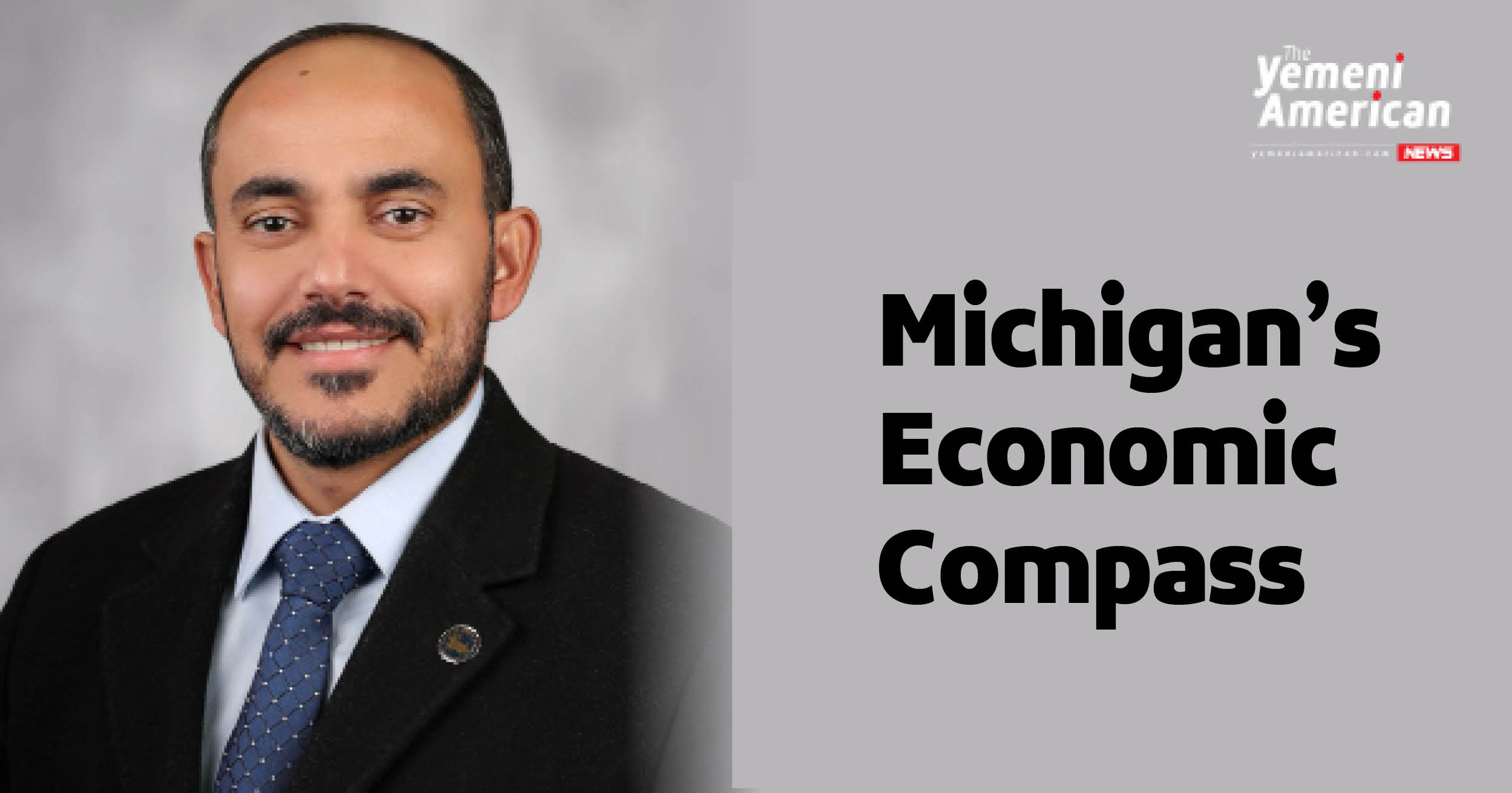
* Adel AlAdlani has a PhD in Public Administration from Western Michigan University