

President Donald Donald Trump received 17,716 votes in Dearborn in 2024. His Democratic rival, then-Vice President Kamala Harris got 15,189.
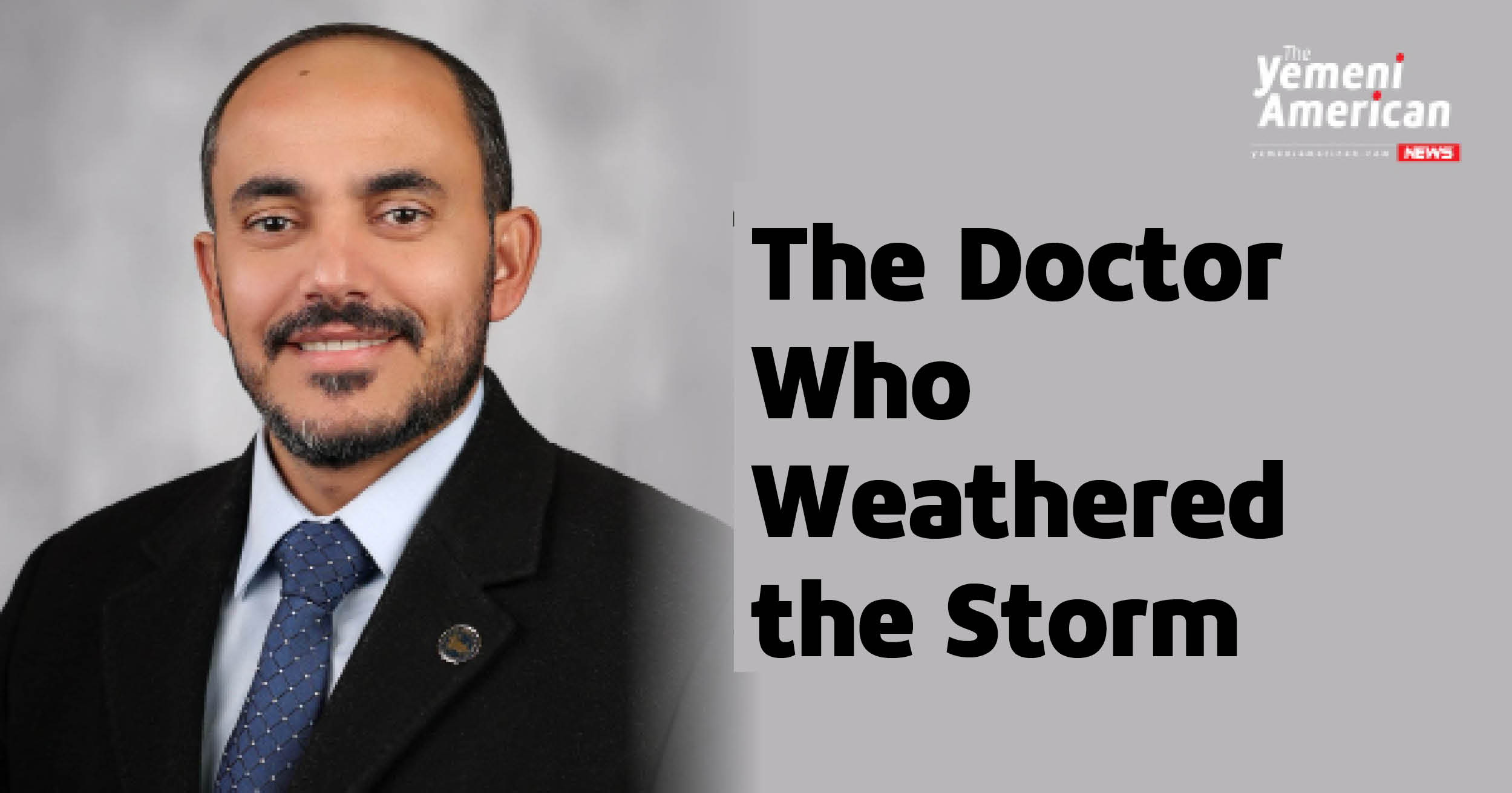
Two years later, Democratic Senate candidate Abdul El-Sayed won 37,025 votes in the city – more than both of the presidential candidates combined.
A similar outcome emerged in Hamtramck, where Trump and Harris received 3,017 and 3,266 votes respectively in 2024, and El-Sayed got 6,771 on Tuesday.
In Dearborn alone, El-Sayed gained 29,432 votes over his Republican opponent Mike Rogers. He also swept up Dearborn heights with a 12,769-vote lead there.
In Dearborn, Dearborn Heights and Hamtramck alone, El-Sayed received nearly 50,000 votes more than Rogers, amounting more than 10 percent of his commanding statewide lead.
The numbers show how the Arab community bounced back from the political apathy of the 2024 vote amid the genocide in Gaza. It also underscored how they remain a major constituency in Michigan politics.
Dearborn matched the state’s record-breaking turnout of 57 percent.
“DEARBORN, WE MADE HISTORY!!!” Dearborn Mayor Abdullah Hamoud wrote in a social media post.
“Over 45,000 votes cast. The highest voter turnout in our city’s history! You showed up, shattered records, and made your voices heard. Thank you, Dearborn!”
Abdulmalik Algahaim, president of the Hamtramck School Board, said the high turnout in the city was driven by the frustration with Trump’s policies and broken promises.
“Many Arab American and Muslim American voters, both in Hamtramck and across the country, believed that their concerns were not receiving the attention they deserved,” Algahaim told The Yemeni American News.
“Hamtramck is a unique and diverse community, home to large Arab, Yemeni, Bangladeshi, Muslim, African American and White populations. Across these communities, residents expressed concerns about ongoing international conflicts, rising costs at the gas pump, and increasing prices for everyday necessities.”
In 2024, the community was grieving from the genocide in Gaza, and many reluctantly backed Trump. This time, Arab voters had the option to vote for a candidate who spoke to their values and priorities, and they showed up for him.
El-Sayed improved on Harris’s numbers across the state. In Detroit, he won more than 91 percent of the votes despite a well-funded campaign to use Arab-Black racial tensions to turn African American voters against him.
The Egyptian American doctor performed relatively well in rural counties as well.
For example, he narrowly lost the rural Benzie County by 1.3 percent of the vote. Trump had carried it by nine points.
El-Sayed flipped Muskegon and Eaton counties, which Trump won in 2024. The Democrat won by five points in Muskegon, along the shores of Lake Michigan.
The progressive former public health official also won Saginaw country, which Harris lost two years ago.
When it was all said and done, the Democratic senator-elect won comfortably, but the Arab vote once again proved significant.
Algahaim, who helped turn out the vote for El-Sayed in Hamtramck, said the senator-elect’s win was historic.
“For Arab Americans, Abdul El-Sayed’s victory represents more than an electoral achievement. It is a historic moment that provides a stronger sense of representation in national politics and offers hope to many who have long felt underrepresented,” he told The Yemeni American News.
“His success demonstrates the importance of civic engagement and encourages Arab Americans, as well as other communities, to become more involved in public service and the democratic process.”
Algahaim added that he looks forward to working with El-Sayed “to bring additional resources, opportunities and support to the residents of Hamtramck and communities across Michigan”.