
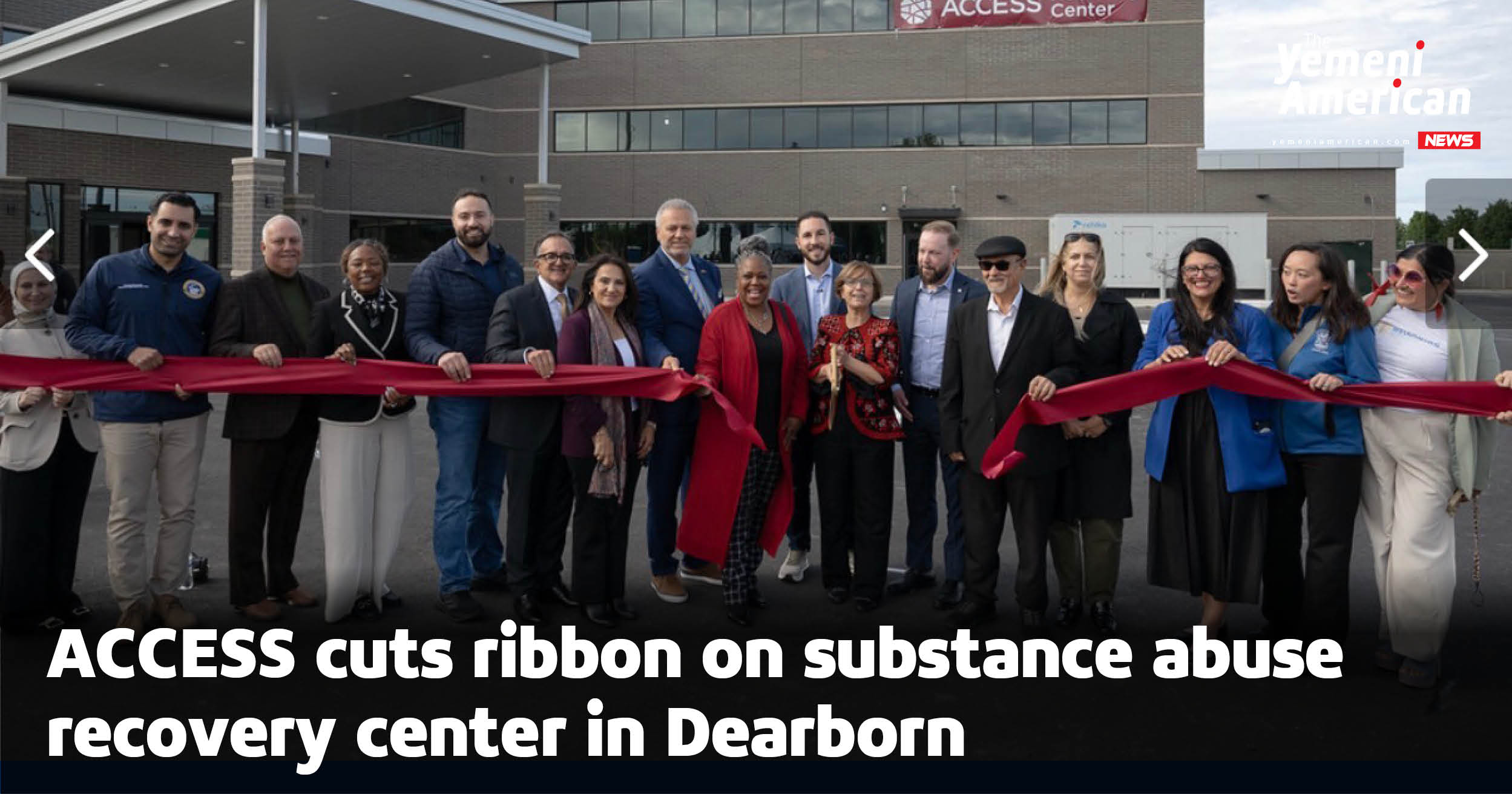
ACCESS has cut the ribbon on a 53,000-square-foot “transformative” substance abuse recovery center that is set to open next year to provide care to the community.
The $25-million space will be a destination for “recovery, healing and long-term wellness.”
While it will serve patients of all backgrounds, the recovery center will also push back against cultural barriers that may prevent seeking treatment.
“We have a lot of stigma in the community about this disease,” said Maha Freij, president and CEO of ACCESS.
“We’ve been working very hard on education and prevention and reaching out and advocating through our policymakers and our schools – we don’t work by ourselves. We work with the schools, we work with the court system, the criminal justice system, we work with the police departments of Dearborn and Dearborn Heights… We have embedded case managers from ACCESS in the police department as we speak.”
She added that educators and faith-based organizations are also essential in the effort to “ensure that the community as a whole deals with this very, very awful disease.”
Over the past years, the Arab community has suffered from many tragedies related to substance abuse.
“We were losing too many community members, young and old, to opioid addiction. We turned this heartbreak into action,” said Freij.
“Education, prevention and outreach were needed in addition to a residential center that could change the lives of those on their recovery journey. Not a temporary solution, but an integrated model of care that brings together substance use disorder treatment with a wraparound model of ACCESS services that help people fully rebuild their lives. Today, that vision is standing behind us.”
Dearborn, which has inaugurated its own Public Health Department in 2022, has seen a steady decrease in overdose deaths in recent years, including a 36-percent decline in 2025. But substance abuse remains an issue.
Mayor Abdullah Hammoud welcomed the ACCESS Recovery Center in Dearborn.
“Regardless of the cause that welcomes you through these doors, we want to ensure a pathway of recovery for you each and every single day alongside your family in this neighborhood, in this great city, in this great region,” the mayor said.
ACCESS said the center will be built around the promise of “No Wrong Door” – compassionate, coordinated care without judgment.
The recovery center “is designed to bring together outpatient behavioral health and urgent care services, withdrawal management, crisis stabilization, residential treatment, education and community connection, and an onsite pantry through our partnership with Forgotten Harvest – making it easier for people to access the care they need, when they need it,” ACCESS said.